
Breast Lift or Mastopexy
Pregnancy, breastfeeding, fluctuations in body weight, ageing and gravity can gradually change the shape of the breasts. The skin loses some of its elasticity, the breasts begin to sag and the upper part of the breast may lose fullness. The position of the nipples and the size of the areolas may also change.
A breast lift, also known as mastopexy, is a surgical procedure in which we lift and reshape sagging breasts to restore a firmer and more youthful appearance. During the procedure, we remove excess skin, reshape the patient’s own breast tissue and reposition the nipple and areola to a higher, more aesthetically appropriate position. The aim is not to create the same appearance for every patient, but to adapt the shape of the breasts to each woman’s body proportions, tissue quality and individual wishes.

Long-lasting, although subject to natural ageing
Approximately 2 hours
1–2 weeks
About the Procedure
What Can We Achieve with a Breast Lift?
With mastopexy, we can:
- lift sagging breasts,
- reshape and firm the breast tissue,
- improve the position of the nipples,
- reduce enlarged or stretched areolas,
- improve differences between the left and right breast,
- create a rounder and more youthful breast shape,
- improve the proportions between the breasts and the rest of the body.
A breast lift does not usually change breast size significantly. Because excess skin is removed, the breasts may appear slightly smaller after surgery, but the main change is that they become firmer, more elevated and more harmoniously shaped.
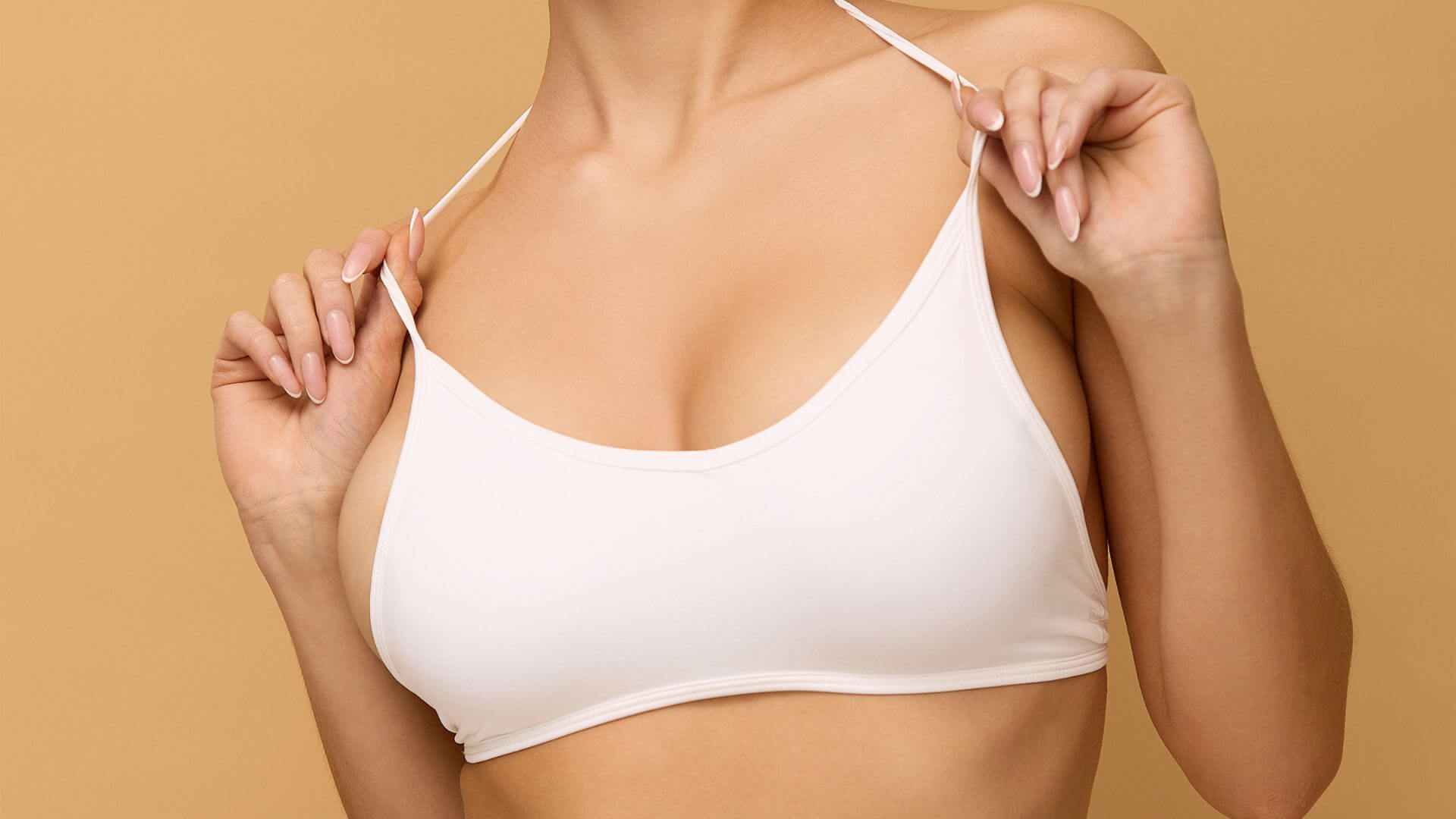
Who Is a Suitable Candidate for a Breast Lift?
The procedure is suitable for women who are concerned about sagging or drooping breasts and wish to improve their shape without necessarily increasing their volume.
A suitable candidate:
- has sagging or deflated breasts,
- has nipples that have descended below the inframammary fold,
- has nipples that point downwards,
- has stretched skin or enlarged areolas,
- notices asymmetry between the breasts,
- has a stable body weight,
- is in good general health,
- has realistic expectations regarding the result and scars.
When planning the procedure, we also consider possible future pregnancies. Pregnancy and breastfeeding are possible after mastopexy, but they may affect the shape and position of the breasts again. If a patient is planning a pregnancy in the near future, it is usually advisable to postpone surgery.
Degrees of Breast Sagging
Breast sagging, or ptosis, is assessed primarily according to the position of the nipple in relation to the inframammary fold.
With mild sagging, the nipple is only slightly lowered. With more pronounced ptosis, it lies below the inframammary fold and may point downwards. In some patients, the nipple remains in an appropriate position, while most of the breast tissue has descended below the inframammary fold. This condition is known as pseudoptosis.
The degree of sagging, the amount of natural breast tissue and skin elasticity influence the choice of the most suitable surgical technique.
How Is a Breast Lift Performed?
The procedure is usually performed under general anaesthesia and takes approximately two hours, depending on the degree of sagging and the planned surgical technique.
Before surgery, we carefully measure the breasts and mark the new position of the nipples, the planned incisions and the intended breast shape.
During the procedure, we:
- remove excess and stretched skin,
- reshape the patient’s own breast tissue,
- lift the breast into a higher position,
- reposition the nipple and areola,
- reduce the diameter of the areola when necessary,
- improve symmetry between the breasts.
The nipple generally remains connected to the underlying tissue and its blood supply. By reshaping the breast tissue, we aim to create a firmer lower part of the breast and a smoother transition towards the upper pole.
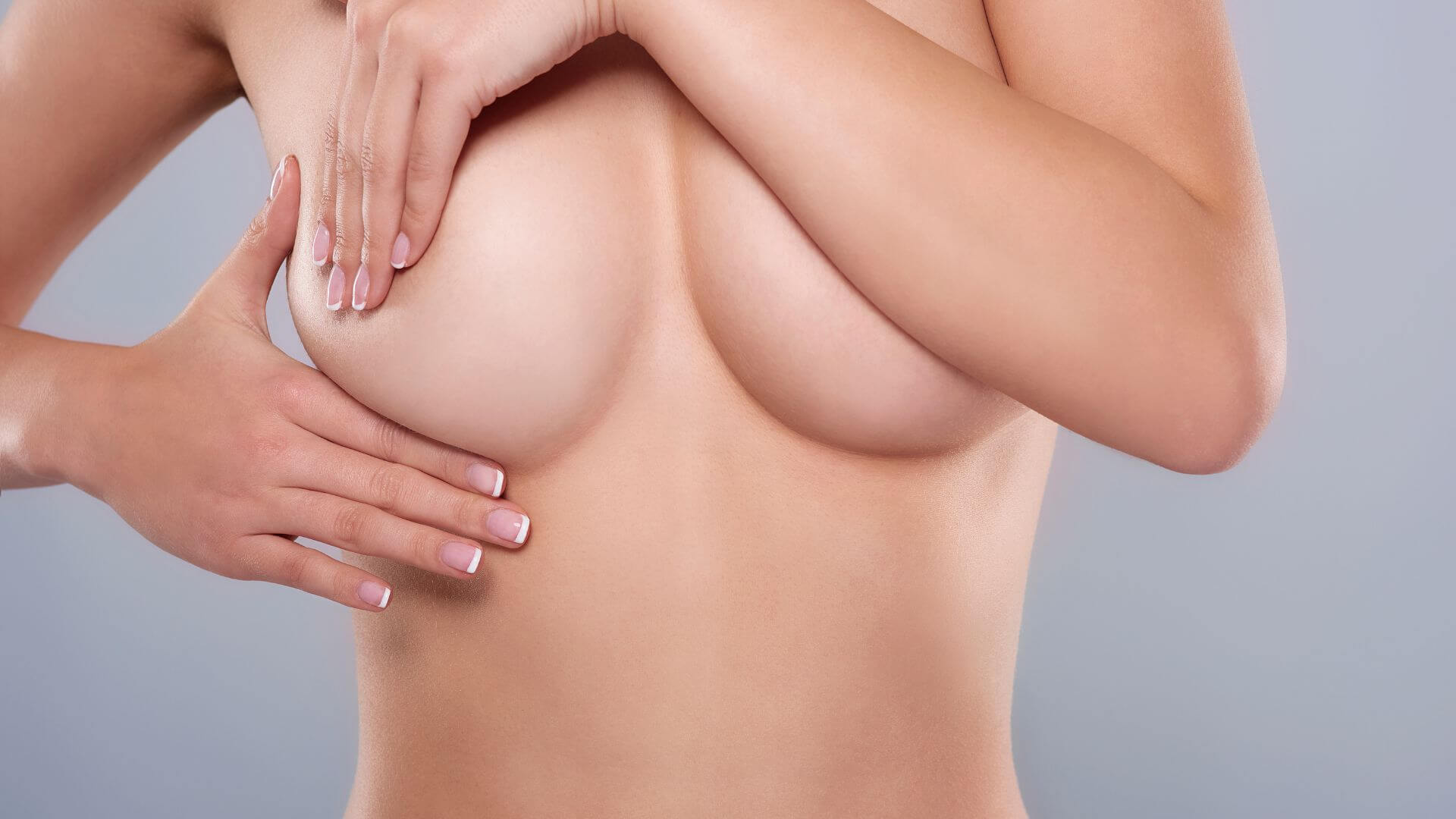
Where Are the Scars Located?
The length and position of the scars depend on the degree of sagging, the amount of excess skin and the surgical technique used.
For a minor lift, the scar may be located only around the areola. In most patients, the scar extends around the areola and vertically down towards the inframammary fold. In more pronounced cases, an additional horizontal incision may be required within the inframammary fold, creating an anchor-shaped scar.
At first, the scars may appear pink or more noticeable. They usually fade gradually over the following months, while their final appearance is assessed approximately one year after surgery.
When planning the operation, we choose the shortest scar that allows us to achieve the desired shape safely. In cases of pronounced sagging, a shorter incision does not necessarily produce a better result, as it may limit our ability to reshape the breast properly.
Breast Lift Without Implants
If a patient is satisfied with the size of her breasts and has enough natural breast tissue, mastopexy can be performed without breast implants.
During surgery, we reshape and redistribute the patient’s own tissue to create a firmer and more elevated breast. This approach is particularly suitable for women who want a natural result and do not require additional volume.
A breast lift without implants can improve the shape and position of the breasts. However, it cannot always create pronounced fullness in the upper part of the breast, especially when little natural tissue remains after pregnancy, breastfeeding or weight loss.

Breast Lift and Augmentation
If the breasts have lost a significant amount of volume in addition to becoming saggy, a breast lift can be combined with breast augmentation.
Additional volume can be created with:
- breast implants,
- the patient’s own fat,
- a combination of an implant and fat transfer.
The breast lift corrects the position, shape and sagging of the breasts, while an implant or fat transfer restores lost volume and can enhance fullness in the upper part of the breast.
The combination of a breast lift and augmentation is suitable for women who want fuller and more elevated breasts.
Read more about breast lift with augmentation here.
Breast Lift or Breast Augmentation – What Is the Difference?
A breast lift and breast augmentation address different concerns.
During a breast lift, we remove excess skin, reshape the breast tissue and lift the nipple and breast. The procedure is primarily intended to correct sagging.
During breast augmentation, we increase breast volume using an implant or the patient’s own fat. Breast augmentation alone cannot always adequately correct pronounced sagging.
At the consultation, we assess the position of the nipples, the amount of natural tissue, skin quality and the desired breast size. Based on this assessment, we recommend a breast lift, breast augmentation or a combination of both procedures.
Breast Lift After Pregnancy and Breastfeeding
Pregnancy and breastfeeding can cause stretching of the skin, loss of volume and sagging of the breasts. These changes vary between women and are influenced not only by the duration of breastfeeding, but also by genetics, weight fluctuations, breast size and skin quality.
After breastfeeding has ended, we recommend allowing the size and shape of the breasts to stabilise. We can then assess whether a breast lift alone will achieve the desired result or whether additional volume would also be beneficial.
Mastopexy is also frequently included in comprehensive post-pregnancy body contouring, commonly known as a mommy makeover.
Breast Lift After Major Weight Loss
Following significant weight loss, the breasts may lose volume and the skin may not fully adjust to their new size. This can result in deflated, elongated or significantly sagging breasts.
In these patients, we use mastopexy to remove excess skin and reshape the remaining breast tissue. If there is little natural tissue, we may recommend combining the lift with an implant or fat transfer to create a fuller shape.
Recovery After a Breast Lift
Swelling, bruising, tightness and moderate tenderness are expected after the procedure. Most patients can return to light daily activities after approximately one week.
After surgery, we recommend wearing a special supportive bra that supports the breasts during healing. During the first few weeks, strenuous physical activity, heavy lifting and intensive exercise should be avoided.
We encourage walking soon after surgery. The return to work depends on the type of work, while more intensive exercise is introduced gradually according to our instructions.
The swelling gradually subsides, and the breasts soften and settle into a more natural shape over the following weeks and months.
When Is the Final Result Visible?
The change in breast position and shape is visible immediately after surgery. However, the breasts may initially appear swollen, firm and positioned slightly higher than their final result.
Over the following months, the tissues gradually relax, the shape becomes more natural and the scars begin to fade. The final result is usually assessed after approximately six to twelve months.
The result of mastopexy is long-lasting, but the breasts remain subject to ageing, gravity, pregnancy and fluctuations in body weight. Maintaining a stable weight helps preserve the result for longer.
Individual Consultation
During the consultation, we assess:
- the size and shape of the breasts,
- the degree of sagging,
- the position of the nipples and areolas,
- the amount of natural breast tissue,
- the quality and elasticity of the skin,
- any asymmetry,
- the desired breast size and shape,
- the patient’s expectations.
Based on the examination, we recommend the most suitable technique and explain where the scars will be located. Together, we decide whether a breast lift alone or a combination with breast augmentation or reduction would be more appropriate.
Frequently Asked Questions
No. A breast lift primarily improves the position and shape of the breasts. If you also want more volume or greater fullness in the upper part of the breast, mastopexy can be combined with breast implants or fat transfer.
Yes. Excess skin cannot be removed without surgical incisions. The extent of the scars depends on the degree of sagging and the selected technique. Scars usually fade over time.
In cases of very mild sagging, an implant may improve the appearance of the breasts. However, implants alone usually cannot correct more pronounced sagging. If the nipple is positioned too low or there is too much excess skin, a breast lift is necessary.
Yes. If the areola is enlarged or stretched, we can reduce and reshape it during the procedure.
Breastfeeding is possible for many women after mastopexy, but it cannot be guaranteed. The ability to breastfeed also depends on the surgical technique used and the patient’s individual anatomy.
It is advisable to wait until breastfeeding has ended and the size and shape of the breasts have stabilised. We determine the most appropriate timing individually during the consultation.
The ageing process continues after surgery. Pregnancy, major weight fluctuations and skin quality can also affect the result. Nevertheless, the improvement in breast shape is generally long-lasting.
A special supportive bra is usually worn for several weeks. The exact duration depends on the healing process and the extent of the procedure.
Patients with office-based or light work can often return after approximately one week. A longer recovery period is required for physically demanding work.
Yes. In larger and sagging breasts, we can remove not only excess skin but also part of the glandular and fatty tissue. This procedure is known as breast reduction or reduction mammaplasty.