
PRP Therapy with Autologous Plasma
PRP therapy uses your own platelet-rich plasma to support natural skin regeneration, scalp treatment, and scar improvement. An autologous preparation without added fillers or biostimulators.
Harness the regenerative potential of your own body.
gradual and natural
30–45 minutes
minimal, usually 1–2 days
individual, depending on the indication
More about PRP therapy
What is PRP therapy with autologous plasma and how does it work?
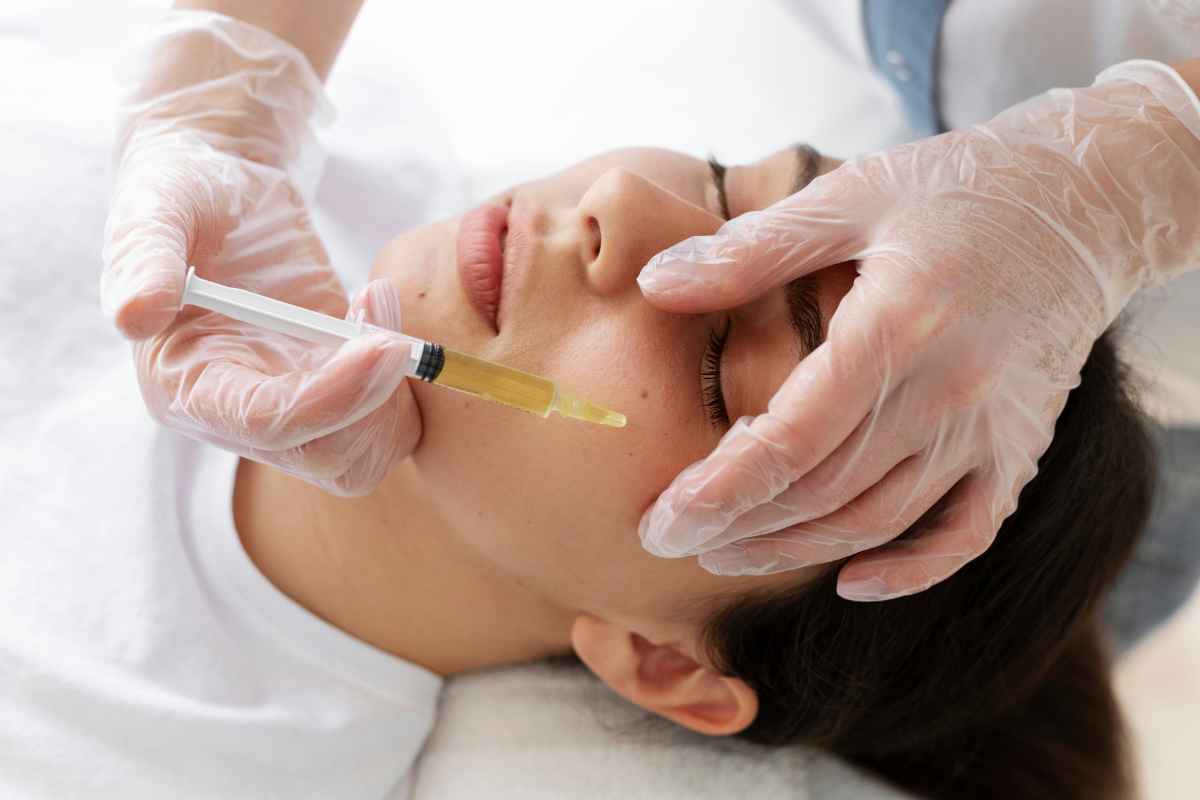
Harness the regenerative potential of your own body. PRP (Platelet-Rich Plasma) is a treatment using the patient's own platelet-rich plasma. A small amount of blood is collected and processed by centrifugation to obtain plasma with a higher concentration of platelets, which contain numerous growth factors and other biologically active molecules.
PRP is an autologous preparation, meaning that it is obtained exclusively from the patient's own blood. It does not contain dermal fillers, synthetic biostimulators, or other added active substances.
PRP is used to support the body's natural regenerative processes in the skin and other tissues, in scalp treatments, scar management, and selected regenerative and gynaecological indications.
Platelets and growth factors
PRP stands for Platelet-Rich Plasma. Platelets are most commonly associated with blood clotting, but they also play an important role in tissue healing and regeneration.
Their granules contain numerous signalling molecules and growth factors, including:
- PDGF – platelet-derived growth factor
- TGF-β – transforming growth factor beta
- VEGF – vascular endothelial growth factor
- EGF – epidermal growth factor
- IGF – insulin-like growth factor
After platelet activation, these molecules are released into the surrounding tissue, where they participate in cell signalling, regulation of the inflammatory response, formation of new blood vessels, and tissue repair. Their effect on fibroblasts is particularly important, as fibroblasts are involved in the production of collagen and other components of the extracellular matrix. PRP therefore does not work by directly adding volume to the tissue. Instead, it aims to stimulate and support the body's own biological regenerative processes.
Autologous therapy without added active substances
One of the key characteristics of PRP is that it is autologous. A small amount of the patient's blood is collected, centrifuged, and processed to obtain a plasma fraction with a higher concentration of platelets. In our approach, PRP is prepared from the patient's own blood without the addition of dermal fillers, synthetic biostimulators, or other active substances. For this reason, PRP may be particularly appealing to patients seeking a regenerative treatment based on biological components derived from their own body.
How is PRP therapy with autologous plasma prepared?
The procedure begins with a standard blood draw. The blood is then processed by centrifugation, during which its individual components are separated according to their density. The plasma fraction containing a higher concentration of platelets is then selected. The prepared PRP is injected directly into the area being treated. The entire procedure usually takes approximately 30–45 minutes, and the PRP is prepared immediately before application.
Where is PRP therapy with autologous plasma used?
PRP is a versatile regenerative treatment that we use at Klinika Višnjar in several areas – from skin rejuvenation to scalp treatments and improving the appearance of scars.
PRP therapy for facial and skin rejuvenation
As the skin ages, the amount and organisation of collagen change, along with the quality of the extracellular matrix and the skin's ability to regenerate.
PRP may be used as a regenerative treatment for:
- the face
- the eye area
- the neck
- the décolletage
- the backs of the hands
The aim is not to change facial features or add volume, but primarily to improve the quality, texture, and overall appearance of the skin.
Because the treatment relies on the biological response of the tissue, the results develop gradually and remain natural in appearance. PRP may be used as a standalone treatment or combined with procedures such as microneedling, laser treatments, and other regenerative approaches.
PRP therapy with autologous plasma for hair and scalp
One of the most extensively studied aesthetic indications for PRP is hair thinning, particularly androgenetic alopecia in men and women.
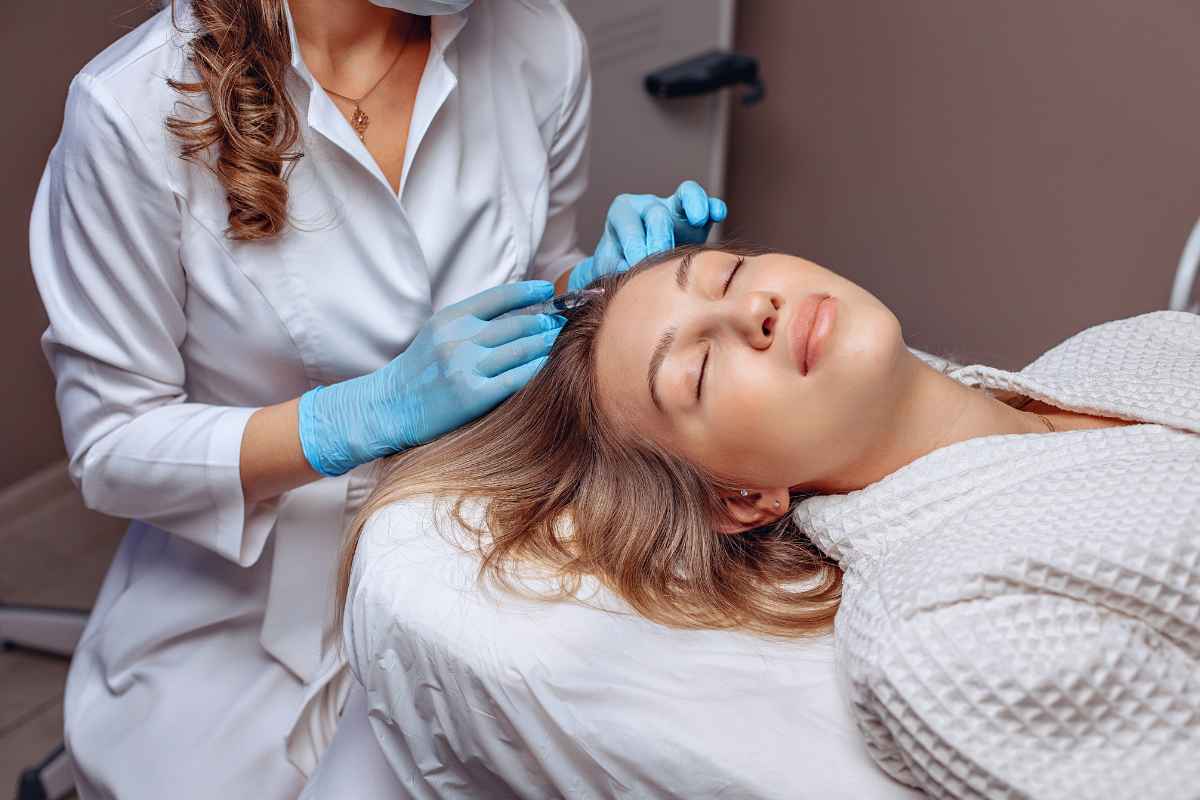
PRP is injected directly into the scalp in areas where the hair has become thinner or where hair density has decreased. Growth factors and other signalling molecules released by platelets may influence the microenvironment of the hair follicle and support follicular activity. Clinical studies suggest that PRP may improve hair density in appropriately selected patients, although results vary between individuals and treatment protocols differ between studies.
The best results are generally expected in areas where hair follicles are still present. In areas where follicles have been completely lost, PRP cannot create new hair follicles. An appropriate assessment of the cause of hair loss is therefore important before treatment.
PRP therapy for improving the appearance of surgical scars
Scar formation is a normal part of wound healing after any surgical procedure. The final appearance of a scar depends on multiple factors, including the type of surgery, tissue tension, individual healing characteristics, and postoperative scar care.
PRP may be used as a supportive regenerative treatment during healing and later scar remodelling. Its purpose is to create a more favourable biological environment for tissue repair and collagen remodelling. In patients undergoing plastic surgical procedures, PRP may be incorporated into an individualised scar-management programme when clinically appropriate. PRP cannot completely remove a scar, but it may form part of a comprehensive strategy aimed at improving its overall appearance.
PRP therapy combined with laser and microneedling for scars
In older, atrophic, or more pronounced scars, a single treatment method is often insufficient.
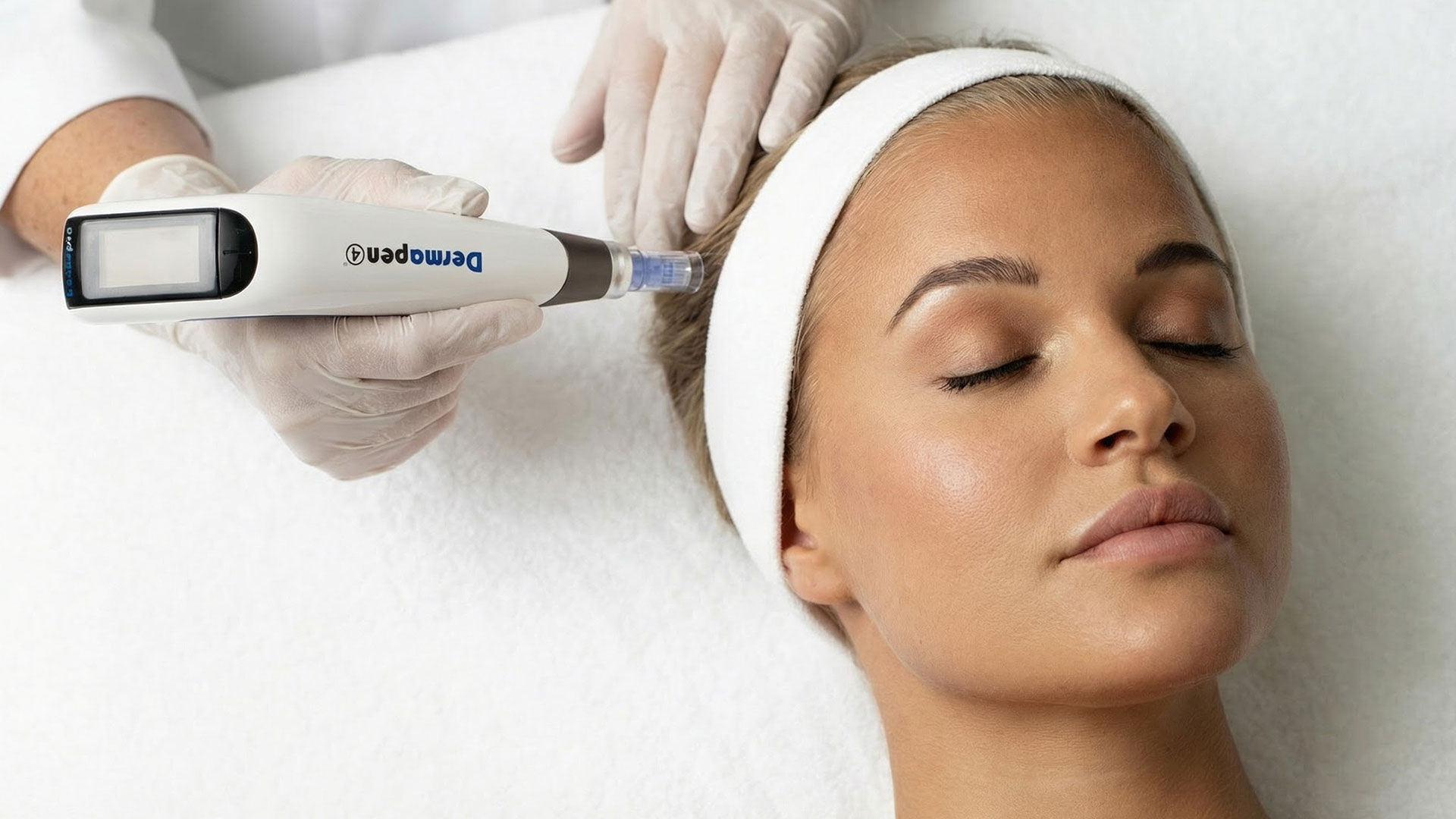
PRP may therefore be combined with procedures that create controlled micro-injury in the skin and stimulate a more intensive remodelling response, such as:
- medical microneedling
- fractional laser treatments
Laser treatment or microneedling induces controlled skin regeneration, while PRP may provide an additional source of signalling molecules and growth factors within the treated tissue.
This combination may be used for:
- acne scars
- post-traumatic scars
- surgical scars
- selected atrophic scars
Read more about medical microneedling →
Interested in PRP therapy with autologous plasma?
PRP therapy with autologous plasma as supportive treatment after surgery
Due to its biological composition, PRP also has a role in regenerative surgery. Growth factors released by platelets are involved in:
- angiogenesis
- fibroblast proliferation
- collagen production
- extracellular matrix remodelling
- soft-tissue healing
PRP is therefore used in different areas of surgery as an adjunctive method to support tissue healing. In plastic surgery, the decision to use PRP is always made individually, depending on the procedure, tissue condition, and expected benefit.
PRP therapy in regenerative gynaecology
PRP is also being studied and used in the field of regenerative gynaecology. One area of interest is vulvar lichen sclerosus, a chronic inflammatory condition affecting the skin of the vulva. In these cases, PRP may be injected into the affected tissue with the aim of supporting regeneration and improving tissue quality.
Published studies have reported improvement in certain symptoms and clinical findings in some patients. However, treatment protocols vary considerably, and the available studies are still relatively small and heterogeneous. PRP should therefore currently be regarded primarily as a regenerative or adjunctive treatment option, rather than a replacement for standard therapy.
For lichen sclerosus, standard dermatological or gynaecological treatment remains the basis of care, while PRP may represent an additional treatment option in appropriately selected patients. PRP is also being studied for several other vulvovaginal conditions, although the quality of evidence varies between indications.
How many PRP treatments are needed?
PRP is a biological treatment, and its effects are not immediate. The number of sessions depends on the indication, baseline condition, and individual response. For certain indications, an initial series of treatments at intervals of several weeks may be recommended, followed by occasional maintenance sessions if appropriate. The exact treatment protocol is determined after consultation.
What results can be expected?
PRP does not provide an immediate result in the same way as a dermal filler. Changes develop gradually over the following weeks and months, as they depend on the biological response of the patient's own tissue. For skin treatments, the main goals are improvement in:
- texture
- firmness
- skin quality
- overall appearance
For the scalp, the aim is to reduce thinning and improve the density and quality of existing hair. For scars, the aim is to gradually improve texture, softness, and overall appearance. Results vary between individuals and cannot be guaranteed in advance.
Recovery after PRP therapy with autologous plasma
No significant downtime is usually required.
Following treatment, patients may experience:
- redness
- mild swelling
- tenderness
- minor bruising
- a feeling of tightness at the treatment site
These effects are usually temporary. After the procedure, you will receive individual instructions regarding skin or scalp care and recommended activities.
Would you like to know whether PRP therapy is right for you?
During your consultation, we assess your skin, scalp, or scar and recommend the most appropriate treatment approach based on your individual condition and goals.
Frequently asked questions
PRP is prepared from the patient's own blood. The PRP itself does not contain dermal fillers or synthetic biostimulators. It is an autologous preparation whose active biological components originate from the patient's own platelets and plasma.
No. Dermal fillers mechanically restore or add volume to a specific area. PRP does not add volume. Its effect is based on biological signalling molecules and growth factors involved in tissue repair and regeneration.
A more accurate description is an autologous biological treatment, as the preparation is derived from the patient's own blood.
Yes. PRP is often incorporated into combined treatment protocols with microneedling, fractional lasers, and other regenerative procedures. The choice of combination depends on the indication and the condition of the skin.
The strongest evidence is available for androgenetic alopecia. In appropriately selected patients, PRP may improve hair density. In cases of sudden or unexplained hair loss, the underlying cause should first be assessed before treatment is started.
No. No treatment can completely erase a scar. The goal is to improve its texture, colour, softness, and overall appearance. The best results are often achieved by combining several different treatment methods.
PRP is being used and investigated as a regenerative and adjunctive treatment for lichen sclerosus. Current results are promising, but the evidence is not yet sufficiently consistent for PRP to replace standard treatment. Suitability is assessed individually after clinical examination.