Dermatologic surgery
Skin lesions require expert assessment and precise treatment.
Dermatologic surgery is a field focused on the surgical removal of skin lesions, both benign and suspicious. At Višnjar Clinic, procedures are performed professionally, based on clear medical indications and with an emphasis on safety and accurate diagnosis.

permanent
30-60 minutes
a few days
More about the procedure
What is dermatologic surgery?
Dermatologic surgery includes minor surgical procedures on the skin and subcutis, where skin lesions are removed for medical or diagnostic reasons. The aim is not only to remove the lesion, but also to accurately assess its nature.
Procedures are performed on an outpatient basis and usually under local anaesthesia.
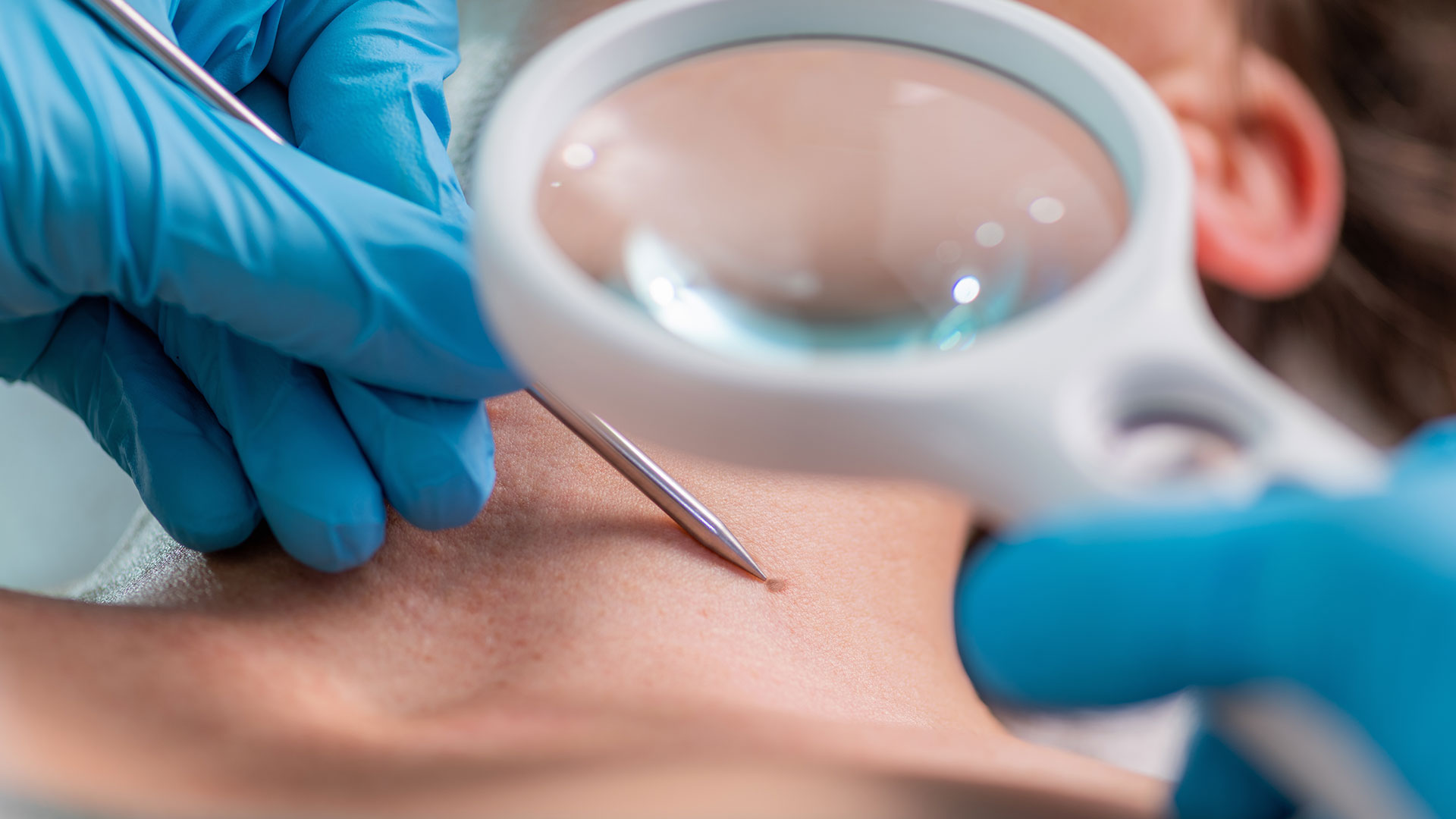
Surgical removal of skin lesions
Surgical removal is recommended for:
- benign skin lesions that cause problems or are changing
- aesthetically disturbing lesions
- lesions where other methods are not suitable
- suspicious skin lesions that require diagnostic confirmation
The decision for surgery is based on a specialist assessment of the lesion and a complete clinical examination.
Benign skin lesions
Benign lesions are usually harmless, but in some cases we remove them because of:
- repeated irritation
- bleeding
- functional problems
- aesthetic reasons
- diagnostic uncertainty
Surgical removal allows complete excision of the lesion and, where needed, histological confirmation.
Suspicious skin lesions
For suspicious skin lesions, the approach is strictly medical. The lesion is excised with an appropriate safety margin. This means that, in addition to the visible lesion, a rim of healthy tissue around it is also removed. This reduces the risk of pathological cells remaining in the skin.
The removed tissue is always sent for histopathological examination, where the exact nature of the lesion is determined. This defines whether further treatment is needed or only follow-up of the scar.
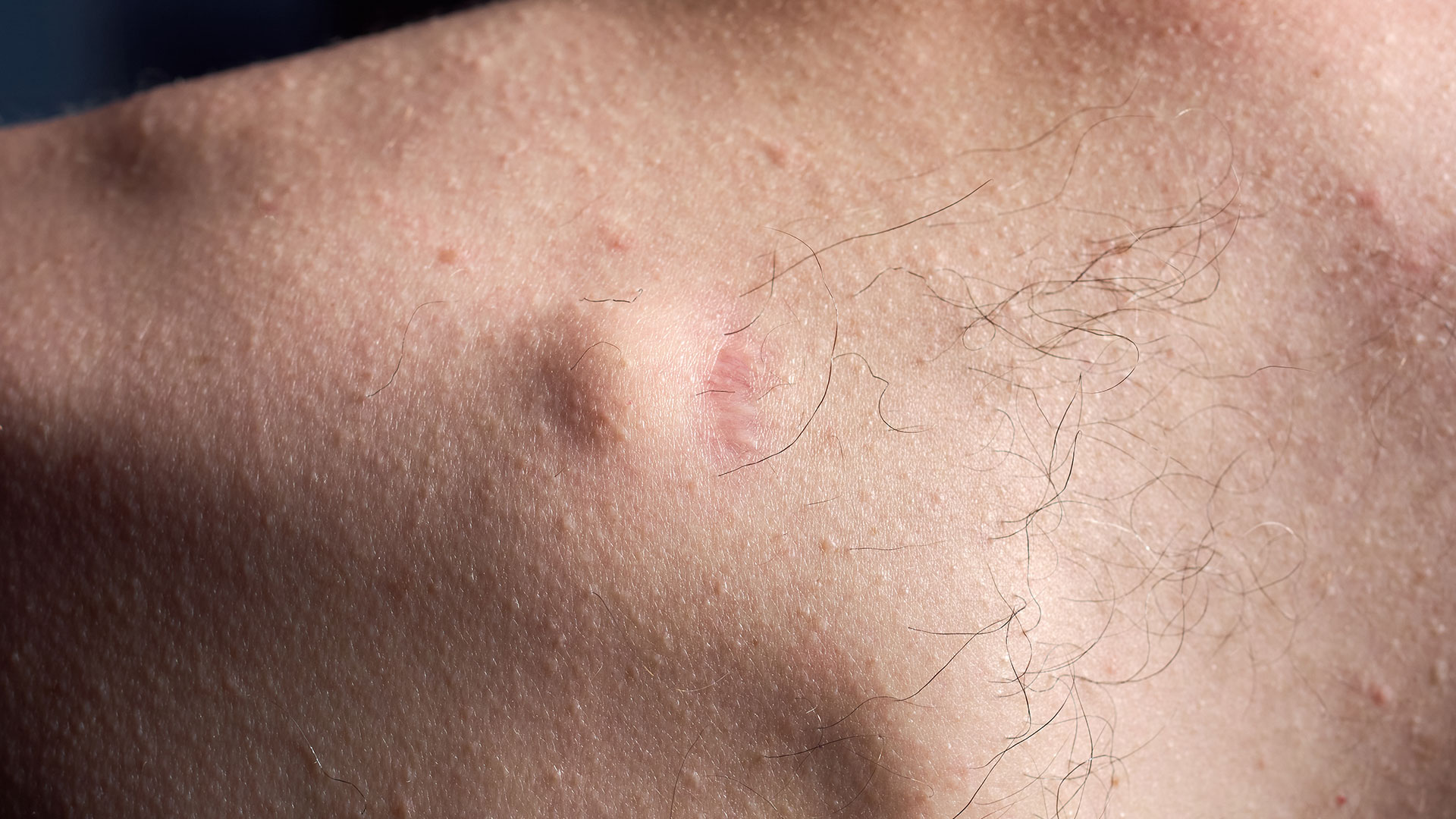
Removal of sebaceous glands and fatty lesions (lipomas)
Sebaceous glands
Enlarged or inflamed sebaceous glands can recur or become infected. Surgical removal enables complete excision of the lesion and reduces the risk of recurrence.
Lipomas
Lipomas are benign fatty tumours in the subcutis. It makes sense to remove them when:
- they are increasing in size
- they cause pain or pressure
- they are aesthetically disturbing
- there is diagnostic uncertainty
The procedure is performed under local anaesthesia. The lipoma is carefully dissected out through a small incision, which is then closed with an aesthetic suture.
Scar correction after injuries
Scars after injuries, operations or inflammation may heal unevenly and be functionally or aesthetically disturbing. With dermatologic surgical techniques, we can improve their appearance, texture and the mobility of the surrounding tissue.
- Scar correction may include:
- surgical re-shaping of the scar
- improving skin tension and direction of forces
- reducing thickened or indented areas
- improving function in mobile regions
The procedure is always tailored to the type of scar, its age and location.
Earlobe correction
Earlobes can stretch or deform due to heavy earrings, trauma or tearing. Surgery can restore their shape and symmetry and improve appearance.
Earlobe correction:
- is performed under local anaesthesia
- enables aesthetic and functional restoration
- is also suitable before re-piercing the ears
The procedure is short and performed on an outpatient basis, and recovery is usually quick. The scar is barely visible, and the skin is generally ready for re-piercing after about 6 months.
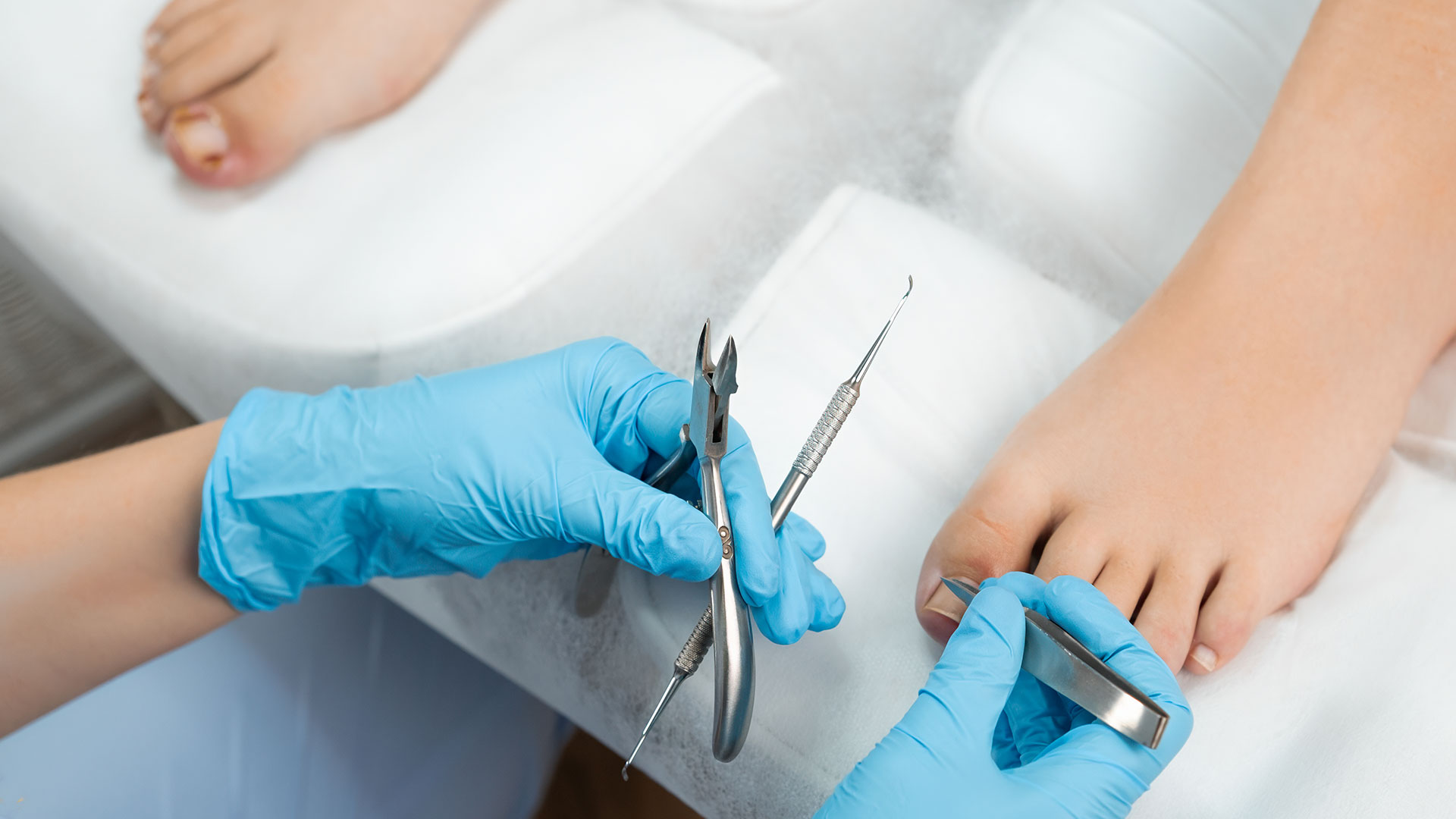
Ingrown toenail correction
Ingrown toenails are a common and painful problem that can lead to recurrent inflammation and infection. When conservative measures are not effective, surgical treatment is required.
Surgical correction of an ingrown toenail:
- relieves pain and inflammation
- reduces the risk of recurrence
- allows proper nail growth
The procedure is carried out under local anaesthesia and is adapted to the severity of the condition.
How does the surgical procedure look?
Before the procedure, we perform an examination and consultation. The procedure is carried out under local anaesthesia. The lesion is surgically removed and the wound is closed using a technique designed to make the scar as discreet as possible and to support fast healing.
The procedure is usually short and performed on an outpatient basis. After the procedure, you receive detailed instructions on wound care and follow-up appointments.
Healing and scarring
Healing depends on the size and location of the procedure. We perform all procedures with the aim of achieving the best possible functional and aesthetic result. Where needed, we recommend additional treatments to improve the scar’s appearance, such as protective tapes, silicone sheets and gels, CO₂ laser or microneedling.
Frequently asked questions (FAQ)
Yes. Most procedures are performed on an outpatient basis under local anaesthesia, which enables a safe procedure and quick recovery.
We recommend surgical removal when lesions are growing, changing, bleeding, causing problems or appear suspicious and require an accurate diagnosis.
A suspicious lesion is one where, based on dermatological clinical examination alone, it is not possible to reliably exclude a pathological (for example malignant) nature. In such cases, surgical removal and histopathological examination are required.
For suspicious lesions, we remove the lesion together with a rim of healthy tissue, usually 2–5 mm around it. This is called a safety margin and reduces the risk of pathological cells remaining in the skin.
For suspicious lesions, yes. histopathological examination provides an exact diagnosis and is the basis for any further management.
Yes. When lesions are aesthetically disturbing, frequently irritated or cause discomfort, they can be surgically removed even if there is no suspicion of malignancy.
Recovery depends on the type and location of the procedure. Most wounds heal without complications. The patient receives clear instructions for care and follow-up. In general, it is important to avoid sports activities and getting the wound wet until stitches are removed.
Every surgical procedure leaves a scar, but at Višnjar Clinic we aim for the best possible aesthetic outcome. If needed, we recommend additional treatments to improve the appearance of the scar.
Yes. lipomas and enlarged or inflamed sebaceous glands are surgically removed when they cause problems, increase in size or when there is diagnostic uncertainty.
Yes. We perform earlobe corrections for tears, stretching or aesthetic irregularities.
Yes. When conservative measures are not effective, we perform surgical correction to reduce pain and the risk of recurrence.
Yes. Before any surgical procedure, an examination and consultation are necessary to assess the lesion and determine the most appropriate treatment.