Botox for the Face: Forehead Lines, Frown Lines and Crow's Feet
26.8.2026
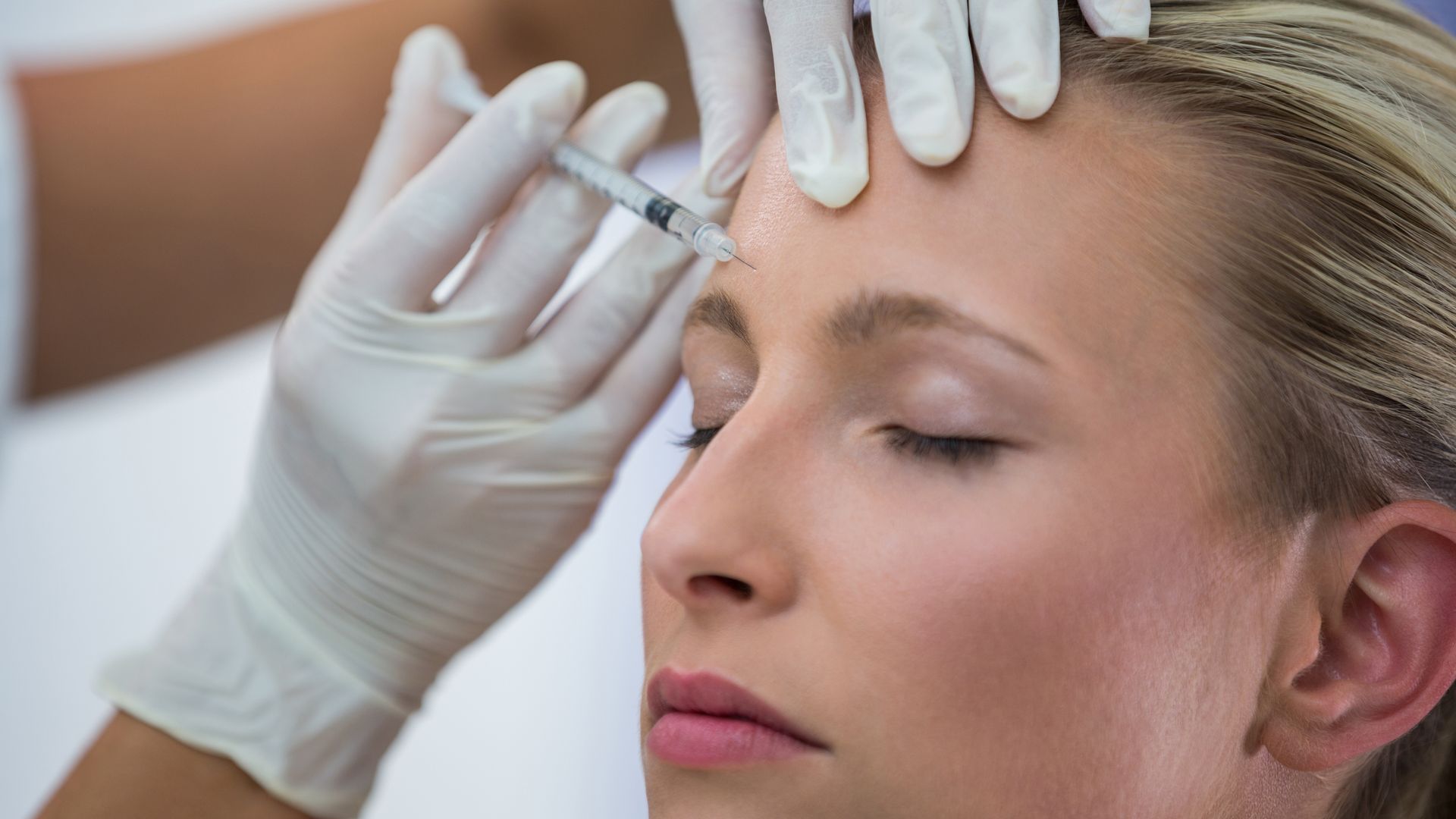
Every time we smile, frown or raise our eyebrows, the facial muscles contract and the skin above them folds. In younger skin, these lines usually disappear once the muscles relax. Over time, repeated movement may cause them to remain visible even when the face is at rest.
Botulinum toxin type A is one of the most commonly performed non-surgical treatments for reducing expression lines, also known as dynamic wrinkles. It works by temporarily reducing excessive activity in selected facial muscles.
The aim of a properly performed treatment is not to create a completely immobile or "frozen" face. Treatment is adapted to the patient's anatomy, muscle strength and preferences so that the result appears fresher, more rested and natural while preserving facial expression.
Botox or botulinum toxin: what is the difference?
In everyday language, Botox has become a general term for aesthetic treatment with botulinum toxin. Botox® is, however, the registered brand name of one specific product.
Several registered botulinum toxin type A products are available. Their units are not necessarily equivalent, which means that the dose of one product cannot be directly converted into the same number of units of another.
The product, dose and injection points should always be selected by an appropriately trained physician.
How does botulinum toxin work?
Botulinum toxin temporarily reduces the transmission of nerve signals to a selected muscle. The muscle therefore contracts less strongly, and the skin above it folds less during facial movement.
It is most effective for dynamic wrinkles that appear when:
- frowning,
- raising the eyebrows,
- smiling,
- squinting,
- wrinkling the nose.
If the lines are already deeply etched and visible at rest, botulinum toxin may soften them but may not remove them completely after a single treatment. In such cases, we may recommend a combination with medical skincare, microneedling, laser treatments, chemical peels or other procedures.
Which areas of the face are most commonly treated?
Frown lines between the eyebrows
The vertical lines between the eyebrows are often referred to as "11 lines". They are mainly caused by the activity of muscles that pull the eyebrows inward and downward.
Pronounced frown lines may give the face an angry, worried or tired appearance, even when the person does not feel that way. By reducing the activity of these muscles, the area between the eyebrows can appear more relaxed.
Horizontal forehead lines
Horizontal forehead lines are mainly caused by the frontal muscle, which raises the eyebrows.
Treating the forehead requires a particularly careful assessment of eyebrow and eyelid position. The frontal muscle helps lift the eyebrows, so an excessive dose may cause a feeling of heaviness or make drooping eyebrows or eyelids more noticeable in some patients.
For this reason, the forehead is often treated together with the frown line area, while the dose is adapted to the individual anatomy.
Crow's feet
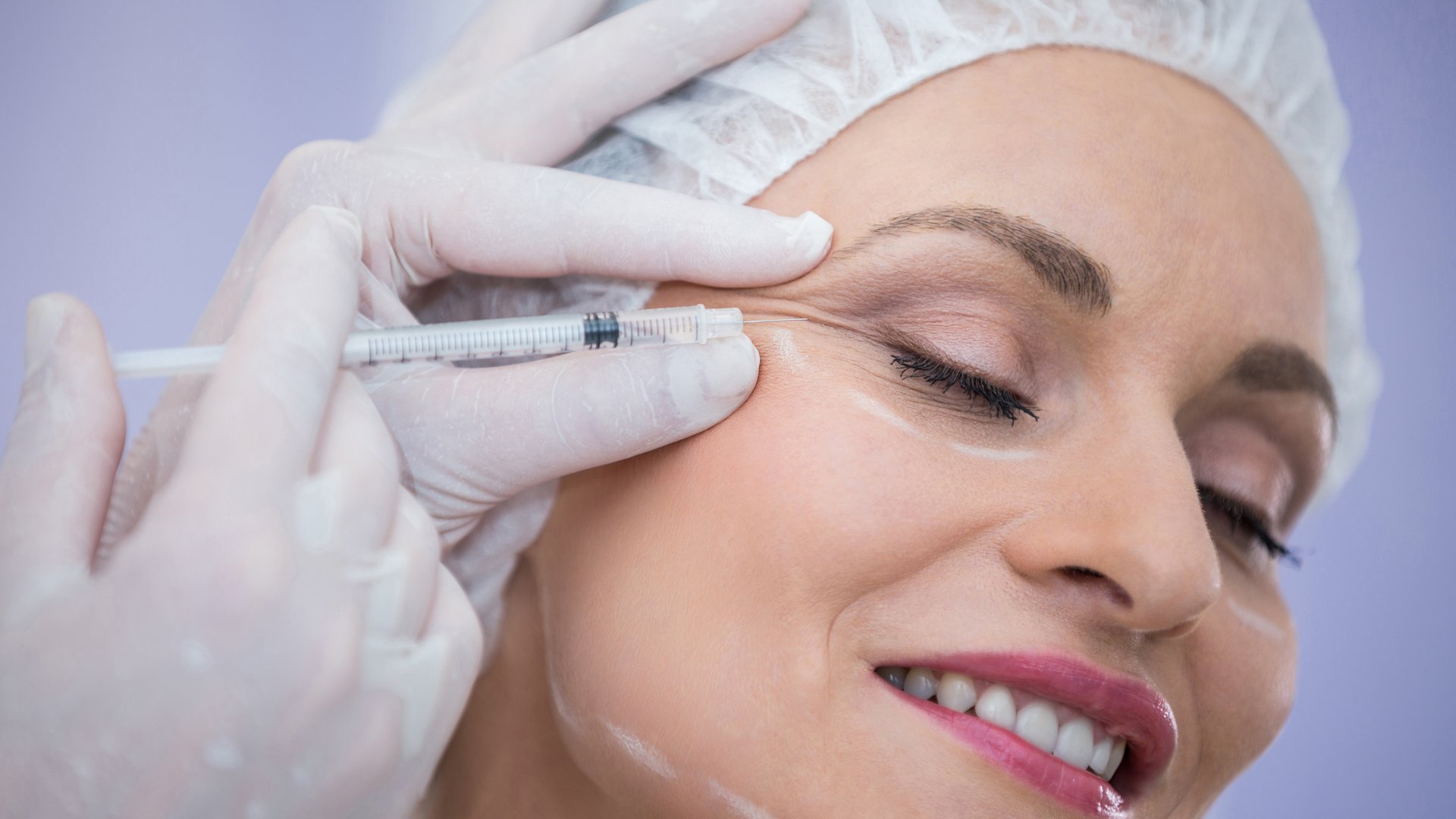
The fan-shaped lines at the outer corners of the eyes are caused by activity of the circular eye muscle. They are most visible when smiling, squinting or looking into bright light.
With a carefully selected dose, these lines can be softened without completely removing the natural expression created by smiling.
Botulinum toxin does not usually correct dark circles, pigmentation, tear troughs or under-eye bags. Other treatments may be more appropriate depending on the underlying cause.
Subtle eyebrow lift
Precise injection into selected muscles that pull the eyebrows downward may create a subtle optical lift of the outer eyebrow in some patients.
The effect is usually mild. Botulinum toxin cannot replace a surgical brow lift and does not remove excess upper-eyelid skin.
Chin
Excessive activity of the mentalis muscle may cause dimpling or an orange-peel appearance of the chin. Reducing muscle activity can make the surface of the chin appear smoother.
When treating this area, it is important to preserve normal lower-lip movement and oral function.
Bunny lines
Fine lines on the upper and side areas of the nose become more visible when smiling or wrinkling the nose.
In some patients they are present before treatment, while in others they may become more noticeable after the frown muscles are relaxed. Treatment must be carefully dosed because nearby muscles are involved in upper-lip movement.
What is the difference between dynamic and static wrinkles?
Dynamic wrinkles mainly appear during facial expression. When the muscle relaxes, they become less visible or disappear.
Static wrinkles remain visible even when the face is at rest. They develop due to a combination of repeated muscle movement, collagen loss, sun exposure, genetics and natural skin ageing.
Botulinum toxin is most effective for dynamic wrinkles. Static lines may gradually soften when muscle activity is regularly reduced, but more pronounced lines often require a combined treatment approach.
When is the right time for Botox?
There is no universal age at which someone should start botulinum toxin treatment.
The right time may be when:
- expression lines bother you,
- lines remain visible when your face is relaxed,
- the position of your eyebrows or frown lines gives you a constantly tired or stern appearance,
- you wish to soften lines rather than erase them completely,
- you understand that the effect is temporary and must be repeated to maintain it.
The decision should not be based on age alone, but on anatomy, muscle activity, skin quality and individual preferences.
What is preventative Botox?
The term "preventative Botox" describes treatment of mild dynamic lines before they become deeply etched into the skin.
By reducing repeated folding of the skin, it may be possible to slow the deepening of certain expression lines. However, this does not mean that everyone should begin botulinum toxin treatment in their twenties or early thirties.
A conservative approach is especially important in younger patients. Treatment is appropriate only when there is a clear indication, not simply because of age or current trends.
How is the treatment performed?
Each treatment begins with a consultation and an assessment of the face both at rest and during expression. The physician evaluates:
- eyebrow position and asymmetry,
- forehead height,
- the strength of individual muscles,
- upper-eyelid position,
- wrinkle depth,
- previous botulinum toxin treatments,
- medical history and medication,
- preferences regarding preservation of facial movement.
Before treatment, the skin is cleaned and disinfected. A very fine needle is then used to inject a small amount of the product into precisely selected muscles.
The procedure usually takes approximately 10 to 20 minutes. Most patients experience only a brief mild sting or burning sensation.
A topical anaesthetic is generally not necessary, although it may be used by arrangement in more sensitive patients.
Is recovery required after Botox?
A specific recovery period is usually not required. Most patients can return to their usual daily activities immediately after treatment.
Temporary reactions at the injection sites may include:
- small red dots,
- minor swelling,
- tenderness,
- mild bruising,
- headache.
Redness and small raised areas usually resolve quickly, while bruising may remain visible for several days.
What should I do after treatment?
After the procedure, you will receive instructions adapted to the treatment performed.
As a general rule, we recommend that you:
- do not massage or press on the treated areas,
- avoid intense exercise on the same day,
- avoid intensive facial massage for several hours,
- avoid saunas and very hot environments on the first day,
- wait with make-up until the injection sites have closed and settled,
- follow the individual instructions provided by your physician.
You do not need to remain upright all day or deliberately change your normal facial expressions. The most important precaution is to avoid rubbing or applying strong pressure to the freshly treated areas.
When do the results become visible?
Botulinum toxin does not work immediately.
The first changes are usually noticed within a few days. The effect then develops gradually, and the final result is generally assessed approximately 10 to 14 days after treatment.
Different muscles may begin to relax at different rates. A temporary mild asymmetry during the first few days therefore does not necessarily represent the final outcome.
A follow-up appointment is most appropriate after approximately two weeks. At that point, we can assess symmetry, preservation of expression and whether a minor adjustment is needed.
A top-up is not automatically necessary for every patient and is performed only when medically and aesthetically justified.
How long does the effect last?
The effect of botulinum toxin is temporary. In most patients, it lasts approximately three to four months, although it may be slightly shorter or longer.
The duration may depend on:
- the product and dose used,
- the treatment area,
- muscle strength and size,
- individual response,
- metabolism,
- time since previous treatments,
- the desired degree of preserved movement.
The effect does not disappear suddenly. Muscle movement gradually returns, and expression lines progressively become visible again.
If you decide not to repeat the treatment, your face will not become worse because you stopped. It will gradually return toward the appearance expected without the continued effect of botulinum toxin.
Do regular treatments prolong the effect?
Some patients notice that they require treatment slightly less often after several consecutive sessions. This may be related to reduced activity of the treated muscles.
This does not happen in everyone and does not mean that treatment should be performed as frequently as possible. Excessively frequent injections or unnecessarily high doses are not the aim of treatment.
The timing of repeat treatment is determined according to the return of muscle activity, the condition of the skin and the patient's preferences.
Possible side effects
Botulinum toxin has a long history of medical and aesthetic use, but it is still a prescription medicine and side effects are possible.
The most common are mild and temporary:
- pain or tenderness at the injection site,
- redness,
- swelling,
- bruising,
- headache,
- a feeling of tightness,
- temporary asymmetry.
Depending on the treatment area, less common side effects may include:
- a lowered eyebrow,
- drooping of the upper eyelid,
- an excessively elevated outer eyebrow,
- an uneven smile,
- dry or watery eyes,
- temporary weakness of unintended nearby muscles.
Most local side effects are temporary, although they may take several weeks to resolve fully. The risk is reduced through careful anatomical assessment, correct technique and an appropriately selected dose.
Very rare systemic complications require immediate medical attention. Difficulty breathing, swallowing or speaking, or unusual generalised muscle weakness, should be assessed urgently.
When is botulinum toxin not suitable?
Treatment is generally not suitable:
- during pregnancy,
- during breastfeeding unless an individual medical assessment has been performed,
- in the presence of infection or inflammation at the planned injection site,
- in patients with a known hypersensitivity to the active ingredient or excipients,
- in certain neuromuscular disorders,
- in patients with significant swallowing or breathing difficulties,
- when a medical condition prevents the procedure from being performed safely.
Before treatment, tell your physician if:
- you take blood-thinning medication,
- you take certain antibiotics or muscle relaxants,
- you have a neuromuscular condition,
- you have undergone facial surgery,
- you have difficulty closing your eyes,
- you have pronounced drooping of the eyelids or eyebrows,
- you have received another botulinum toxin product in recent months,
- you experienced a side effect after a previous treatment.
Do not stop prescribed medication without consulting the physician who prescribed it.
Why does the choice of practitioner matter?
Facial muscles work together and maintain a delicate balance. Relaxing one muscle group may affect the position of the eyebrows, eyelids, lips or smile.
Botulinum toxin treatment is therefore not simply a cosmetic injection. Safe and natural results require:
- detailed knowledge of facial anatomy,
- assessment of the face during expression,
- appropriate dose selection,
- understanding of the differences between products,
- recognition of contraindications,
- the ability to manage possible complications.
An individual approach at Klinika Višnjar
At Klinika Višnjar, every treatment is adapted to the patient's anatomy and preferences. Before application, we assess the face both at rest and during expression and discuss whether you prefer more pronounced smoothing or a subtler result with greater preservation of movement.
Our aim is not to change the defining features of your face, but to thoughtfully soften unwanted expression lines while maintaining a balanced and natural appearance.
Book a consultation at Klinika Višnjar in Ljubljana so that we can assess whether botulinum toxin is suitable for you and which areas would benefit from treatment.
Not necessarily. The degree of effect depends on the dose, injection points, anatomy and desired outcome. With a natural approach, the aim is to reduce excessive muscle contraction rather than eliminate every movement. Patients can explain before treatment how much facial movement they wish to preserve. However, a completely smooth forehead and fully preserved forehead muscle strength are not always compatible goals. During the consultation, we therefore discuss a realistic balance between smoother skin and movement.
No. Botulinum toxin temporarily reduces muscle activity but does not add volume. Dermal fillers or other procedures are used to restore lost volume. Botulinum toxin and fillers work in different ways and are not interchangeable treatments.
Usually not. Dark circles may be caused by pigmentation, thin skin, visible blood vessels, volume loss, tear troughs or under-eye bags. Botulinum toxin may affect certain lines around the eyes in selected patients, but it does not correct the underlying cause of most dark circles.
Most patients experience only several brief, mild needle pricks. The treatment is quick and generally well tolerated.
Botulinum toxin does not cause physical dependence. Continuing treatment is a personal choice. Some patients wish to maintain the effect because they like the result, but treatment can be stopped at any time.
Not because of stopping the treatment itself. As the effect wears off, muscle activity gradually returns, together with the expression lines. The skin continues to age naturally, so it may look different after several years, but stopping botulinum toxin does not generally cause a sudden worsening.
Deep lines that remain visible at rest may soften but often do not disappear completely after one treatment. Pronounced static wrinkles may require time or a combination with treatments that improve skin quality.
No. Units from different botulinum toxin products are not directly interchangeable. Comparing treatments only by the number of units may therefore be misleading. The product selected, technique, patient anatomy and final result are more important.